
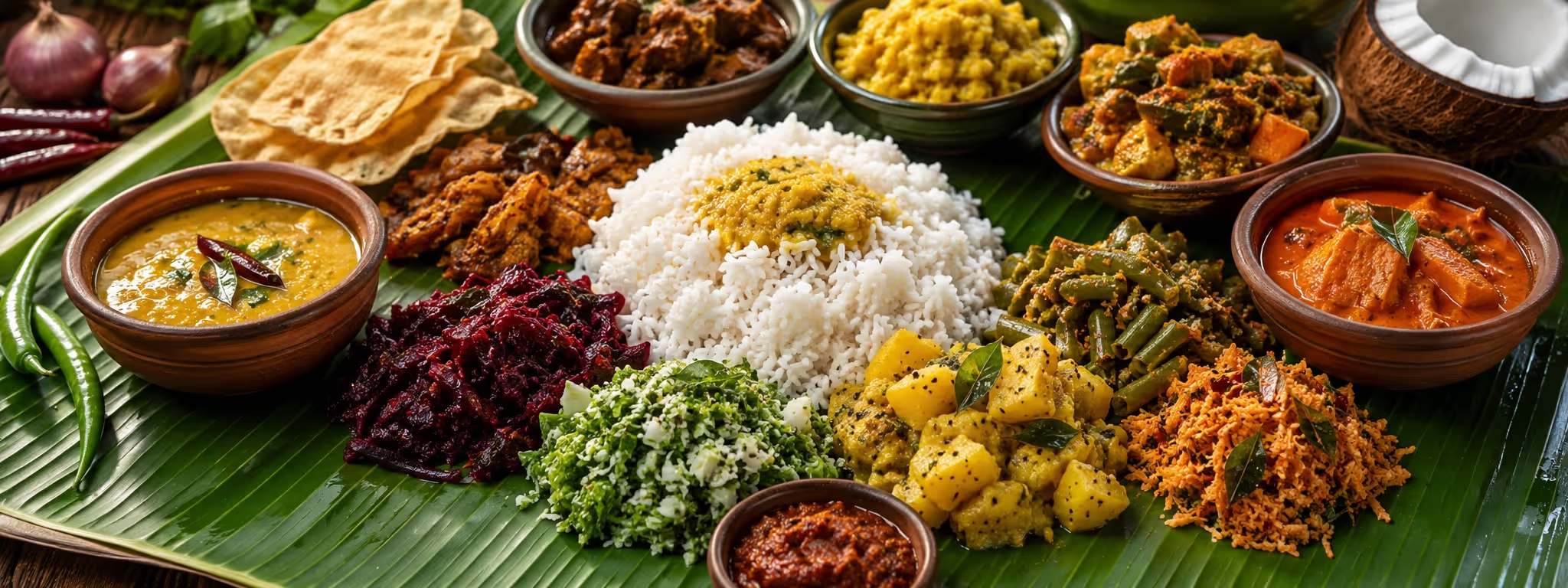
A trip to Sri Lanka is about more than stunning beaches, wildlife safaris, and ancient temples. It’s about sharing a home-style meal, sipping freshly brewed Ceylon tea in the hills, watching colourful religious festivals fill the streets, and experiencing the warmth of a culture that has welcomed travellers for centuries.
Influenced by over 2,500 years of history, Buddhism, Hindu traditions, colonial heritage, and Indian Ocean trade, Sri Lanka’s culture is rich, diverse, and deeply rooted in everyday life. Whether you’re visiting for a week or a month, understanding the island’s traditions will make your journey far more rewarding.
Discover Sri Lankan Cuisine
Food is at the heart of Sri Lankan culture, and no visit is complete without trying a traditional rice and curry. Unlike a single curry served with rice, this is a colourful spread of several dishes enjoyed together, often including fragrant dhal, seasonal vegetable curries, spicy sambols, crispy papadams, and your choice of fish, chicken, or seafood.
Coconut and aromatic spices such as cinnamon, cardamom, curry leaves, and black pepper are used generously, creating dishes that are rich in flavour rather than simply spicy.
Beyond rice and curry, Sri Lanka is famous for its street food. Freshly made hoppers (appa), delicate string hoppers (idiyappam), and sizzling kottu roti are favourites among both locals and visitors. Along the coast, seafood lovers can enjoy everything from grilled fish to flavour-packed crab curry, while the hill country offers the perfect opportunity to sample world-famous Ceylon Tea straight from the plantations where it’s grown.
A Culture of Warm Hospitality
One of the things visitors remember most about Sri Lanka isn’t a landmark—it’s the people.
Hospitality is deeply embedded in Sri Lankan life. Locals are known for their friendliness and willingness to help, whether that’s giving directions, recommending hidden beaches, or sharing stories about their hometown. A simple smile often turns into a memorable conversation, making travellers feel genuinely welcome wherever they go.
Religion also plays an important role in daily life. Buddhism is the country’s largest faith, while Hinduism, Islam, and Christianity all contribute to Sri Lanka’s rich multicultural identity. This diversity is reflected in the island’s festivals, architecture, cuisine, and traditions.
When visiting temples, modest clothing is recommended, and shoes should always be removed before entering. Avoid pointing your feet towards Buddha statues, keep noise to a minimum, and always ask permission before photographing monks or local worshippers. These simple gestures show respect and are greatly appreciated.
Experience Sri Lanka’s Festivals
One of the best ways to experience Sri Lankan culture is by joining in its vibrant festivals. Thanks to the island’s diverse Buddhist, Hindu, Muslim, and Christian communities, celebrations take place throughout the year, filling towns and cities with colourful decorations, traditional music, and delicious food.
The year begins with Thai Pongal in January, an important Hindu harvest festival that celebrates gratitude, prosperity, and the sun’s life-giving energy. Families prepare traditional dishes, decorate their homes, and gather in temples to give thanks for a successful harvest.
During Ramadan, observed by Sri Lanka’s Muslim community, the focus is on prayer, fasting, charity, and spending time with family. While the celebrations are generally more personal than public, visitors can enjoy the lively Ramadan shopping season, particularly in Colombo and other major cities, where bustling markets, extended shopping hours, festive food stalls, and seasonal treats create a unique atmosphere leading up to Eid al-Fitr.
In April, Sri Lanka celebrates the Sinhala and Tamil New Year, one of the country’s most cherished cultural festivals. Families reunite to prepare traditional sweets, exchange gifts, play traditional games, and follow customs based on astrologically significant times. It’s a wonderful opportunity for visitors to experience authentic Sri Lankan traditions and hospitality.
Usually held in May, Vesak commemorates the birth, enlightenment, and passing of the Buddha. Streets across the island glow with colourful lanterns, intricate illuminated displays, and beautifully decorated temples, while communities offer free food and refreshments through dansals—a tradition of generosity that welcomes everyone.
During July or August, the magnificent Esala Perahera in Kandy takes centre stage. One of Asia’s most spectacular cultural festivals, it features traditional dancers, drummers, whip crackers, fire performers, and beautifully adorned elephants as a grand procession honours the Sacred Tooth Relic.
Later in the year, Deepavali (Diwali), the Hindu Festival of Lights, is celebrated with oil lamps, colourful decorations, prayers, and festive meals, particularly in northern and eastern Sri Lanka, where Tamil culture has deep roots.
As December arrives, Christmas brings a festive atmosphere to many parts of the island, especially in Colombo, Negombo, and other areas with vibrant Christian communities. Churches hold special services, hotels and shopping centres are beautifully decorated, and festive events create a unique tropical Christmas experience.
No matter when you visit Sri Lanka, there’s a good chance you’ll encounter a festival, religious celebration, or cultural event that offers a deeper understanding of the island’s traditions and its warm, welcoming people.
Travel Like a Local
Experiencing Sri Lanka goes beyond visiting famous attractions. Join a cooking class, explore a bustling local market, take a tea plantation tour, or spend time in a traditional village where you can learn about farming, local crafts, and everyday life.
Don’t be afraid to try dishes you’ve never heard of, chat with locals, or stop for a fresh king coconut from a roadside stall. These small experiences often become the highlights of a trip.
Learning a few local words, such as Ayubowan (hello) or Istuti (thank you), is also a wonderful way to connect with people and show appreciation for their culture.
Experience the Real Sri Lanka
Sri Lanka’s greatest attraction isn’t just its landscapes—it’s the culture that brings them to life. From vibrant cuisine and colourful festivals to warm hospitality and centuries-old traditions, every journey offers an opportunity to connect with the island in a meaningful way.
At Island Leisure, we design experiences that go beyond sightseeing, helping you discover the authentic heart of Sri Lanka through its people, food, and culture. Whether you’re looking for a tailor-made holiday, a cultural tour, or a journey that combines the island’s highlights with unforgettable local experiences, our team is here to help you plan the perfect Sri Lankan adventure.